Accessible voices: Zagaandagaa-Anishinaabeg, People of the Thick Coniferous Forest
Chik-Wauk Museum and Nature Center extends generational stories of Trail life to all visitors.
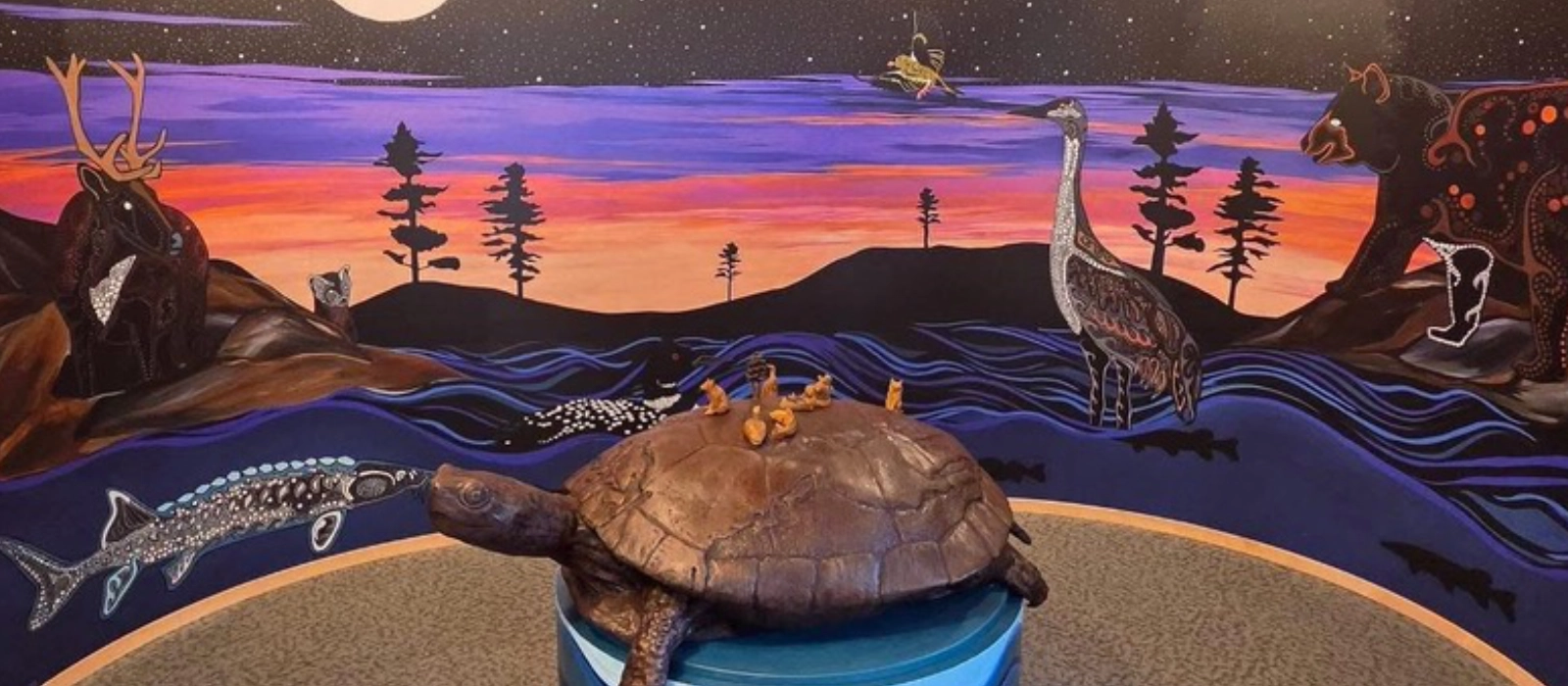
At a glance
- Institution: Chik-Wauk Museum and Nature Center
- Location: Grand Marais, MN
- Segment: History and nature centers
- Exhibitions: Zagaandagaa-Anishinaabeg, People of the Thick Coniferous Forest
- Audiences: Non-Anishinaabemowin speaking, traveling non-English speaking, seniors, recordkeepers, visually-impaired, mobility-challenged, learning-impaired, socially-anxious
- Features: Exhibit audio playback, multilingual text, scalable accessibility, content acquisition, visual accessibility, screenreader support
Overcoming barriers
| Challenge | Resolution |
|---|---|
| Anishinaabemowin pronunciation | Exhibit audio playback |
| Translation costs and language selection | Scalable multilingual text |
| Varied audience access needs | Frictionless BYOD accessibility (no app iOS, instant download Android) |
| Reduce stress on seniors | Tap-to-acquire, read in peace, hyperlegible text |
| Remembrance | Expandable content, rich media, content history |
Connecting two Northlands
Situated all the way North on Saganaga Lake, Chik-Wauk Museum and Nature Center tells the full story of the North Country's natural and cultural history. Foreign travelers, schoolgroups, seniors, weekenders, and cabin-goers visit the Chik-Wauk campus to understand how the North's past shaped its present.
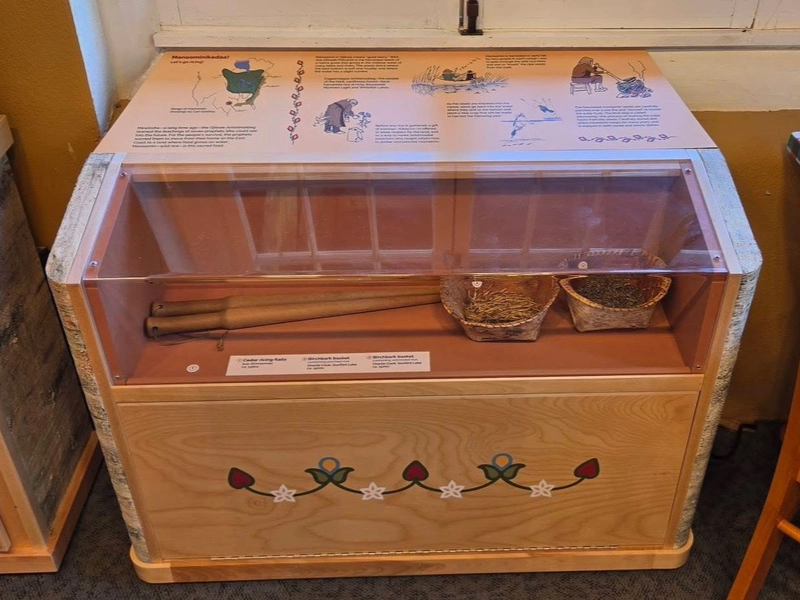
Chik-Wauk's Anishinaabe Exhibit Task Force (AETF) spent years crafting a new exhibition that uncovers a richer story than any guest could ever expect. Inside, they'd tell this land's and this people's untold tales, reveal their unseen artifacts, and speak their unheard words. Anishinaabemowin would be woven throughout the entire exhibit—with no translation included.
The AETF understood that any access impediment could spoil the unique interpretive value they designed this exhibit to deliver. With accurate cultural preservation on the line, Chik-Wauk needed to share authentic language and context without creating barriers for guests.
We are still here
Zagaandagaa-Anishinaabeg, People of the Thick Coniferous Forest unpacks the history, culture, and experiences of the region's native people. The AETF had five objectives for this exhibit:
- Learn about Ojibwe-Anishinaabe culture and history prior to European contact.
- Experience how the Ojibwe-Anishinaabe worldview is unique.
- Discover some of the ways that Ojibwe-Anishinaabe life changed after contact.
- Hear Ojibwe-Anishinaabe family stories related to the development of the Gunflint Trail.
- Learn about contemporary Ojibwe-Anishinaabe people.
Zagaandagaa-Anishinaabeg's interpretive component would therefore take center stage. However, visitors often bounce off narrative unless it's easily and immediately accessible.
Unusually, Chik-Wauk and the AETF faced a seemingly contradictory requirement: audio of spoken Anishinaabemowin and multilingual translation were critically and simultaneously important for Zagaandagaa-Anishinaabeg. Fortunately, Capption meets both needs at once.
Aligning Zagaandagaa-Anishinaabeg's content with its layout and narrative intent required several rounds of revision, but the team got there. After the back-and-forth, implementing Capption proved...uneventful. AETF contributors recorded their audio readings with ease. Audio-enabling each Capption was even simpler: copy-paste a URL and done.
Once installed, getting the GHTS team up to speed on ground-level usage and user challenges took about an hour. Afterward, they even created their own site-specific user and troubleshooting guide from notes taken during that training.
Authentic results
Typically, exhibit accessibility connotes improved visitor access to knowledge, context, or presentation. At Chik-Wauk, genuine accessibility eliminates barriers between visitors' open curiosity and culture-bearers' truest expression. In a single month, Chik-Wauk visitors listened to perfectly-enunciated Anishinaabemowin 128 times.
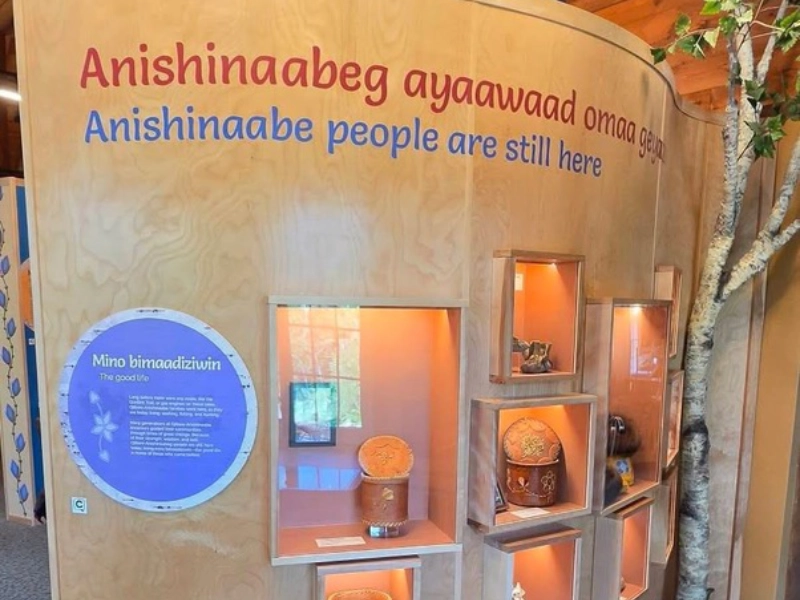
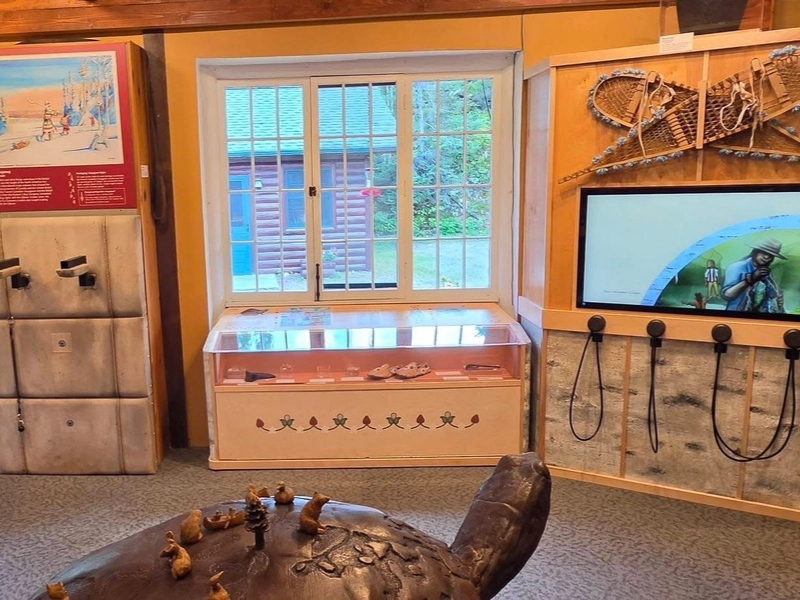
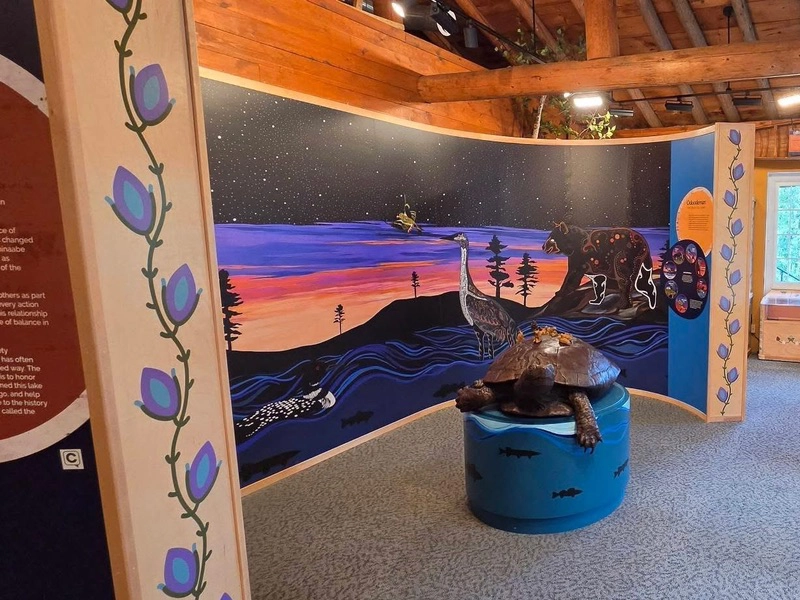
"This was the easiest task in a challenging project. Capption has been working well."
Zagaandagaa-Anishinaabeg month 1 stat highlights:
- Period: ~1 month (August 22, 2026–September 21, 2026)
- Exhibits: 5
- Unique visitors: 26
- Unique views: 128 (audio playback happens here)
- Engagement depth: 3.88 views/user
- Accessibility use: 7.7%
Chik-Wauk makes authenticity accessible with Capption.
Accessibility from cabin to trail
Chik-Wauk maintains interpretive hiking paths and scenic overlooks surrounding several Saganaga Lake bays. Each tells a story of Gunflint Trail history and ecology, even providing a direct view of active wildfire regeneration.
Capption works perfectly outdoors, so we hit the trails next. Cinch up your boot laces and we'll see you on Blueberry Hill!
Our deepest appreciation for the storytellers and supporters at the Gunflint Trail Historical Society, the Anishinaabe Exhibit Task Force, Outhouse Exhibit Services, the Blandin Foundation, the Lloyd K. Johnson Foundation, Arrowhead Arts Council, the Iron Range Resources and Rehabilitation Board (IRRRB), the Boreal Waters Community Foundation, and the Nora McNeely Hurley Foundation.
Go further
- Exhibit Capptions: Examples from Zagaandagaa-Anishinaabeg, People of the Thick Coniferous Forest: Zagaandagaa-Anishinaabeg | People of the thick, coniferous forest, Anishinaabeg ayaawaad omaa geyaabi | Anishinaabe people are still here, and Fur Trade.
- Learn more: About the Chik-Wauk Museum and Historic Cabin
- Take action: Need to maximize the interpretive value of your powerful exhibit? Schedule your demo of Capption today.